
Home as a Looking Glass: What Your Home Says About You

We often imagine insight arriving somewhere else.
During a long walk.
In a conversation that lands unexpectedly.
In a moment that feels clear and decisive.
But much of what shapes us is already close at hand. It lives in the rooms we move through every day, in the surfaces we lean against, in the spaces we pass through on autopilot. Over time, your home reflects your life—your habits, your rhythms, and the ways you move through the world.
Your living space holds a quiet record of how you actually live.
The Home You Live In
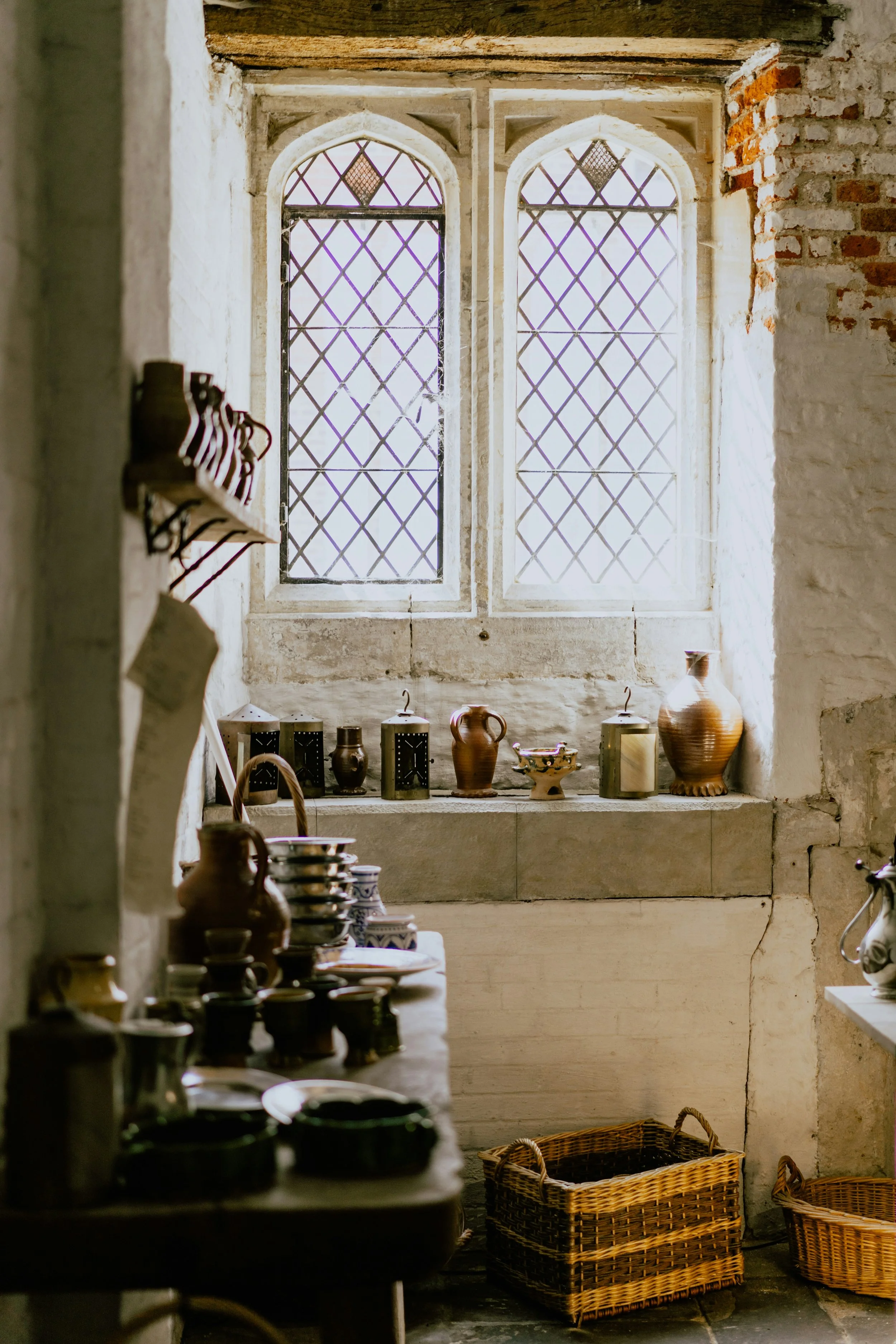
Pause and take a slow look around.
Where does your body naturally settle when you’re tired?
Which areas feel supportive, and which ones carry a low hum of tension?
What do you interact with every day without really seeing it?
The home you inhabit reflects your real patterns, not your intentions. It shows how you spend your time, where you linger, and what you quietly carry with you. In this way, what your home says about you is often more honest than any plan you’ve made.
A chair shaped by use.
A surface that never quite clears.
A corner that stays untouched.
These details accumulate. They reveal how your days unfold and how your energy moves through your space.
Reading the Space

Your home doesn’t speak in riddles. It reflects use, repetition, and attention.
Where focus gathers, objects follow.
Where energy runs low, things stall.
Where you feel supported, you tend to stay longer.
A stack of papers might point to mental load.
A clear table might reflect routine or ease.
A neglected closet may hold pieces of an earlier chapter that no longer fit your life.
This isn’t about interpretation so much as observation. By noticing how your environment shapes your habits and mood, you begin to understand your relationship with your home more clearly.
Why Looking Matters

When you slow down enough to really see your surroundings, patterns begin to emerge.
You notice where your nervous system settles and where it stays alert. You feel which rooms allow you to exhale and which ones subtly ask more of you. Over time, your living space shapes your habits, your well-being, and the way you move through your days.
This kind of awareness doesn’t demand immediate change. It creates clarity. And clarity makes it easier to respond with care rather than urgency.
A Practice of Noticing

Start with one room.
Let your eyes move slowly. Notice what draws them in and what they slide past. Pay attention to your body—your breath, your shoulders, your pace.
You might realize that one seat consistently supports you more than the rest.
That one room invites lingering, while another keeps you moving.
That certain objects carry more weight than their function suggests.
These observations aren’t a call to action. They’re a way of understanding how your home affects you—physically, emotionally, and practically.
A Living Record

Your home changes as you do. It carries traces of busy seasons, quieter ones, transitions you’ve moved through, and ones still unfolding.
Seen this way, your space becomes a living record of your home and well-being—what you’ve made room for, what you’ve postponed, and what may be ready to shift. It reflects the emotional connection you have to your home, whether you’ve named it or not.
Nothing here needs to be solved. It only needs to be seen.

Living With What You See
Over time, this kind of noticing begins to change how you relate to your space. Decisions become quieter and more intuitive. You place things where your body naturally reaches for them. You let go of what creates friction and make room for what supports your daily flow.
Your home becomes less something to manage and more something that supports how you live. Small adjustments follow naturally, grounded in awareness rather than pressure. When you pay attention to what your home says about you, change tends to arrive gently—and stay.

This is often where our work begins. With seeing clearly how a space is lived in, and allowing that understanding to guide what comes next.
Take a breath.
Look around.
Notice what’s there.
Your space is offering insight in plain sight.
